
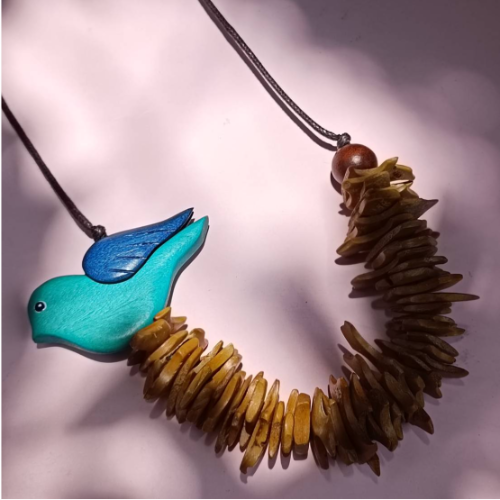
The phrase eco-friendly gets used loosely in fashion. For jewellery, it can mean anything from recycled materials to reduced packaging to vague claims about natural sourcing. Before buying or stocking eco-friendly jewellery, it is worth understanding what the term should actually mean — and how to tell genuine practice from marketing.
What Makes Jewellery Eco-Friendly?
Genuinely sustainable jewellery typically involves one or more of the following: use of natural or recycled materials, minimal processing with low chemical input, small-scale production that avoids mass-manufacturing waste, and responsible sourcing of raw materials. No single piece will score perfectly on every measure, but meaningful sustainability is visible in the choices made across a range.
Natural Materials and Why They Matter
Wood, clay, natural stone, seeds, and bone are traditional jewellery materials that have seen renewed interest as consumers look for alternatives to plastics and metals with complex supply chains. Bangkok’s craft jewellery scene draws heavily on these materials — many pieces sold in the city are made by small workshops using locally and regionally sourced components.
The Role of Small-Scale Production
One of the least discussed aspects of sustainable fashion jewellery is production scale. Small workshops produce less waste, use less energy, and typically operate with closer oversight of materials and labour. A handmade brass earring from a Bangkok workshop has a fundamentally different footprint from the same shape stamped out in a mass-production facility.
What to Ask Before You Buy
If sustainability matters to you as a buyer or stockist, ask where materials come from, how pieces are made, and what the supplier’s minimum order model looks like. High MOQs often signal factory production; low MOQs are usually a sign of small-scale craft. Brands willing to answer these questions directly are usually the ones with something genuine to say.
Ako & Sila’s Approach
All pieces at Ako & Sila are nickel-free, handmade, and sourced from small workshops across Southeast Asia. We choose natural materials where possible — wood, stone, clay, brass — and work with makers whose production we can visit and verify. Eco-friendly is not a label we put on our packaging. It is a description of how we source.
The small-workshop model described here is really a sourcing question. Sourcing Handmade Jewellery in Southeast Asia looks at that regional network in more depth, and our about page has more on how we choose the makers we work with.